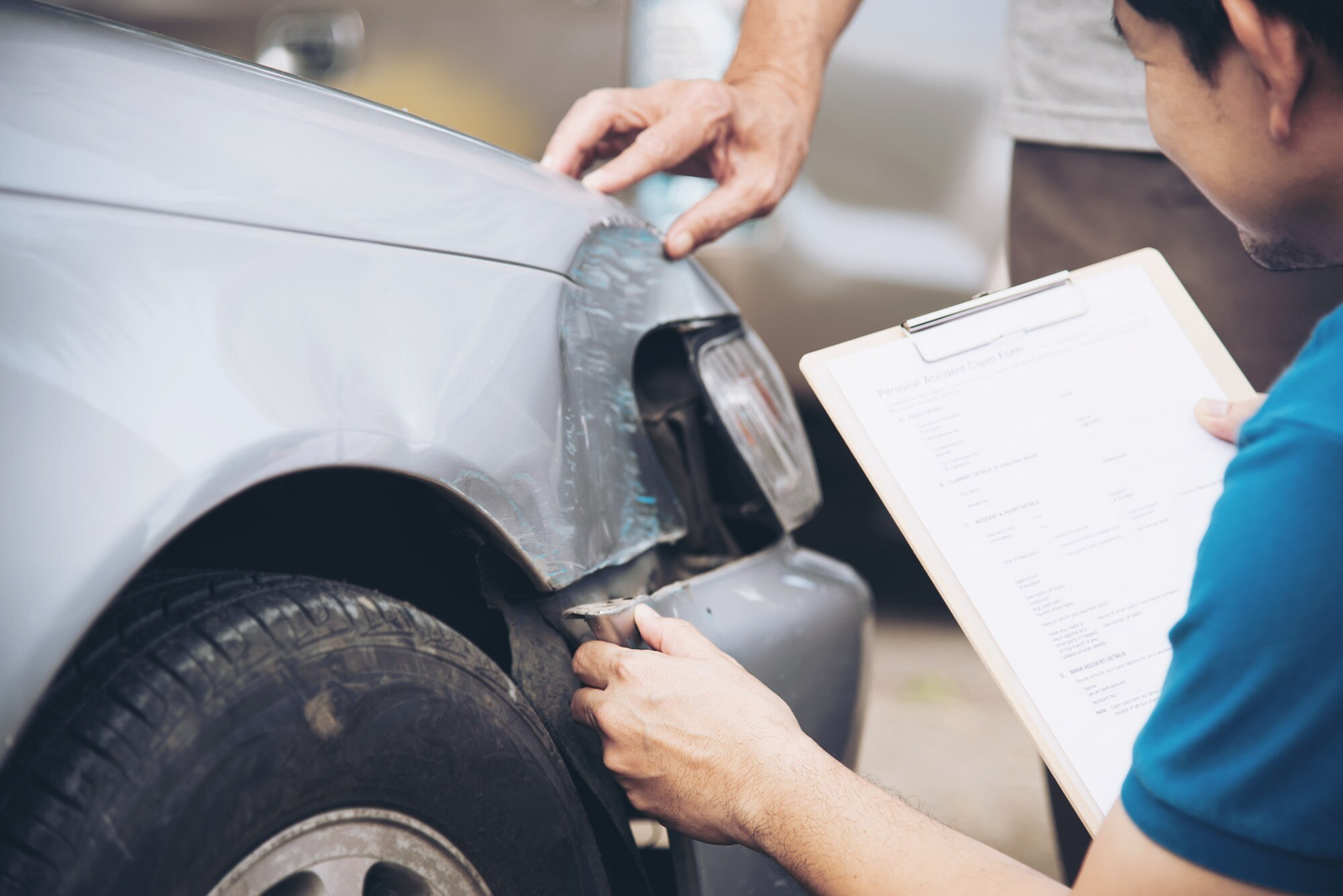
Car accidents are stressful, disruptive, and instantly throw your daily schedule into chaos. Once you ensure everyone is safe and exchange insurance details, the immediate practical problem of transport arises. How do you get to work, drop the kids at school, or run essential errands while your car is in the smash repair shop? This is where securing an accident replacement vehicle becomes essential to maintaining your daily routine. Understanding your rights and options during this stressful period saves time, money, and unnecessary hassle. Let us look at what actually happens when your car is off the road and how you can get back on the move quickly.
Determining Fault and Your Rights to a Rental
The process of securing a temporary car depends heavily on who caused the collision. If you are the not-at-fault driver in a multi-vehicle accident, Australian law generally entitles you to a loss-of-use remedy. This means the at-fault party’s insurance provider must cover the reasonable cost of a rental car while your vehicle undergoes repairs or until you receive a total loss payout. You do not have to pay out of pocket if you arrange this through a specialised accident management company or directly through insurance claims.
However, if you are the driver at fault, the situation changes. You must rely entirely on the specific terms of your comprehensive car insurance policy. Many standard policies do not automatically include hire car cover unless you selected it as an optional extra and paid an additional premium. Without this optional extra, your insurer will not pay for your temporary transport. In these situations, you must fund your own rental arrangements. Knowing these distinctions beforehand helps you avoid unexpected bills. You should immediately review your policy documents or contact your claims manager to clarify your entitlements before signing any rental agreements at the repair shop. Always ask for written confirmation of coverage limits from your insurer.
The Process of Securing Your Replacement Ride
Once you establish who covers the cost, you need to initiate the booking process. If you qualify for an accident replacement vehicle through a third-party provider, they will require specific documentation to validate your claim. You must provide the police report number, the registration details of all vehicles involved, and the contact details of the at-fault driver. The provider will then assess the claim, verify the details with the relevant insurance companies, and arrange a vehicle that matches your current car’s category as closely as possible.
Required Documentation for Quick Approval
To speed up this process, gather your driver’s licence, the written insurance claim confirmation, and any photos taken at the accident scene. Having these files ready prevents delays in approval. If you choose to manage the hire yourself because you were at fault, you can bypass the insurance verification process entirely by booking directly with a commercial hire provider. Many Australians choose independent local rental companies to find competitive rates and flexible terms. This direct route gives you immediate control over the type of vehicle you drive, allowing you to choose a small hatchback for city driving or a larger commercial vehicle if you need to transport tools for work.
Understanding the Terms, Conditions, and Costs
Receiving a temporary car does not mean you can ignore the rental terms and conditions. Even when the at-fault driver’s insurance pays the daily rate, you remain responsible for the vehicle while it is in your custody. This means you must adhere to standard rental agreements, including fuel policies, toll charges, and cleaning requirements. Most importantly, you need to understand the insurance excess applicable to the rental vehicle.
Managing Rental Excess and Liabilities
If you get into another accident while driving the rental car, you could face a high insurance excess. Many providers offer excess reduction options for a small daily fee, which lowers your financial risk. Furthermore, you must return the vehicle as soon as your own car repairs are complete. If you keep the rental car longer than necessary after being notified that your vehicle is ready for collection, the insurance company may refuse to pay for those extra days. This leaves you personally liable for the additional rental charges. Always maintain clear communication with both the repair shop and the rental provider to coordinate the exact drop-off time and avoid unexpected out-of-pocket expenses.
What to Do If You Need a Commercial Vehicle
For tradespeople, delivery drivers, and small business owners, losing a vehicle means losing income. A standard passenger sedan will not suffice if your daily work requires a high-capacity van or a sturdy utility vehicle. When your commercial vehicle is off the road, you must find a replacement that keeps your business running without interruption. This is where specialised commercial hire companies become invaluable.
Securing Vans and Utes for Business Continuity
If your work vehicle is damaged, you can look for self-move and commercial hire specialists like Go With The Gecko to source a suitable van or ute quickly. Utilising a service such as Go With The Gecko allows you to hire spacious, modern commercial vehicles on flexible terms, ensuring you do not miss client appointments or delivery deadlines. Their simple booking process and convenient vehicle locations across Australia make them a reliable alternative when insurance companies delay your replacement process. Whether you need a short-term solution for a couple of days or a longer-term hire while major repairs take place, having access to a reliable commercial fleet ensures your business operations remain completely unaffected by the accident.
Tips for a Seamless Vehicle Transition
To ensure a hassle-free transition between your damaged car and the temporary vehicle, you must pay attention to the details during pick-up and drop-off. Before driving away in any accident replacement vehicle, conduct a thorough inspection of its condition. Take clear photos or videos of the exterior and interior, noting any pre-existing scratches, dents, or stains. Ensure the rental representative documents these issues on the condition report so you are not held responsible for them later.
Returning the Vehicle Safely
When it is time to return the car, ensure the fuel tank matches the level specified in your agreement, which is usually full. Clean the interior of any personal rubbish or dirt, especially if you have transported pets or work gear. Double-check all compartments, including the glovebox, centre console, and boot, for personal items like sunglasses, phone chargers, or house keys. Finally, obtain a signed copy of the return receipt confirming the vehicle was returned undamaged and on time. Following these simple steps protects your security deposit and prevents disputes with the rental provider, allowing you to focus entirely on getting your own car back on the road.
Final Thoughts
Dealing with the aftermath of a car accident is never enjoyable, but securing temporary transport does not have to be a source of ongoing stress. By understanding your legal rights as a non-fault driver, reviewing your insurance policy limits, and knowing where to source specialised vehicles, you can keep your life moving forward. Whether you require a standard passenger car from an insurance provider or a commercial van from on organised, communicate clearly with all parties, and inspect your temporary vehicle Go With The Gecko to keep your business operating, preparation is key. Keep your documentation carefully to ensure a smooth, worry-free rental experience while your own car is being repaired.
About the Author