Shipping large assets across oceans requires careful planning, strict compliance, and reliable logistics partners. Whether you are looking to secure dependable boat freight in Australia or bring your dream classic vehicle across the Pacific, understanding the maritime supply chain is essential. Australia’s strict biosecurity laws and unique customs regulations mean that importing heavy machinery, yachts, or classic vehicles involves more than just booking a spot on a cargo ship. This guide breaks down the essential steps, costs, and regulatory requirements involved in transporting watercraft and vehicles across international borders, ensuring your high-value cargo arrives safely at its destination without unexpected delays or costly port fees.
Understanding the Mechanics of Boat Freight
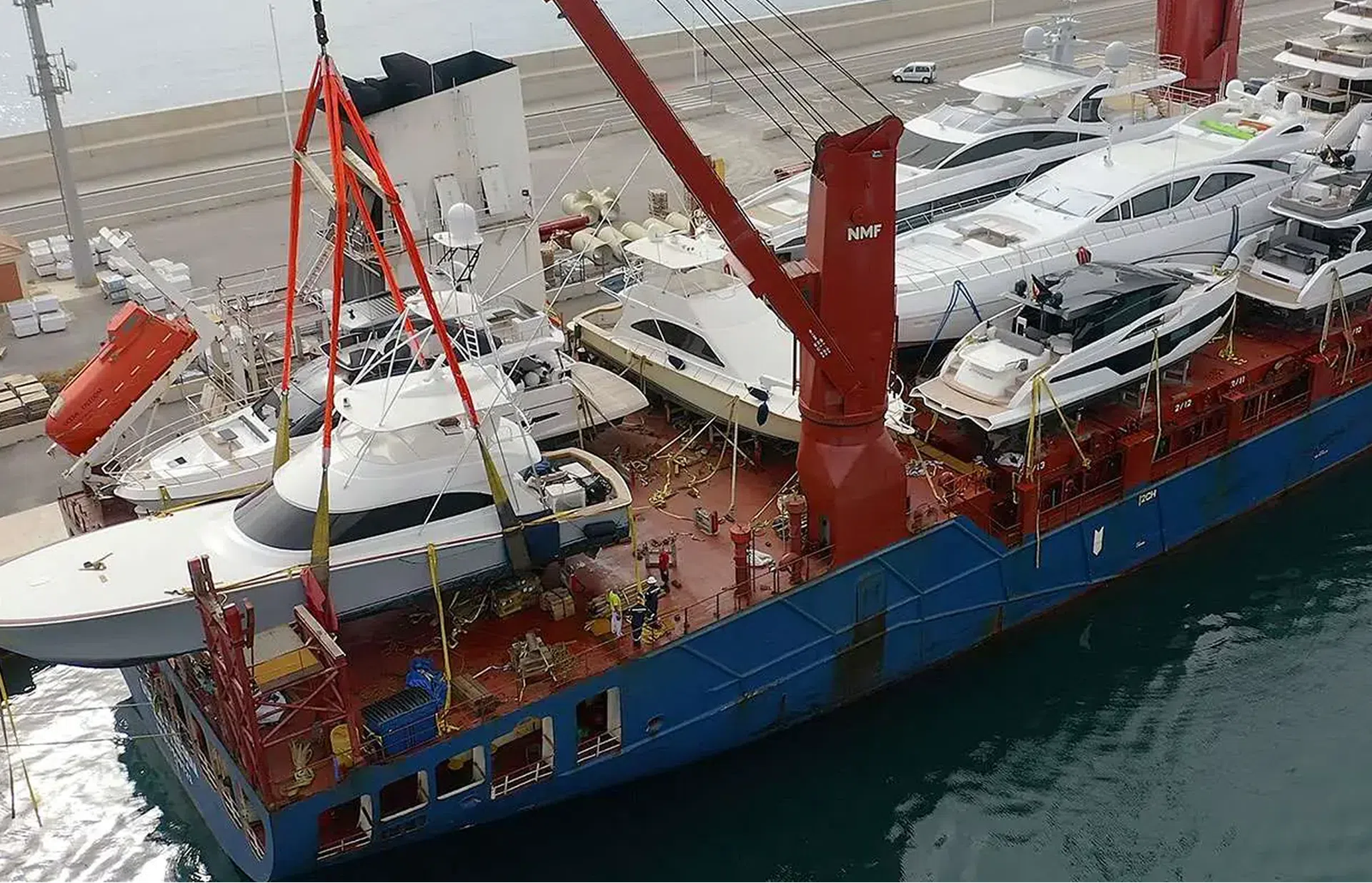
Transporting watercraft over long distances demands specialised handling and equipment. When arranging boat freight in Australia, importers must choose between two primary shipping methods: Roll-on/Roll-off (RoRo) and Lift-on/Lift-off (LoLo). RoRo shipping is highly efficient for boats already on trailers, as operators can simply wheel the cargo onto the vessel’s deck. For larger yachts or vessels that cannot be easily wheeled, LoLo shipping utilises heavy-duty cranes to lift the boat directly into the ship’s cargo hold or onto the deck.
Preparing Your Vessel for Transit
Before your boat leaves the port of origin, comprehensive preparation is necessary to prevent damage during rough sea crossings. You must secure all loose items inside the cabin, drain fuel and water tanks, and disconnect the batteries. Additionally, shrink-wrapping the boat protects the exterior gelcoat and hardware from salt spray and grime.
Local Port Handling
Once the vessel arrives at major ports like Brisbane, Sydney, or Melbourne, local logistics teams manage the unloading process. Because biosecurity is a major priority for Australian authorities, every arriving boat undergoes rigorous physical inspections. Having your documentation in order before arrival ensures that the local port authorities can process your watercraft quickly, saving you from expensive daily storage fees.
The Process to Import Cars from USA to Australia
The American automotive market is a goldmine for classic muscle cars, modern sports cars, and heavy-duty pickup trucks. However, the decision to import cars from USA to Australia requires a clear understanding of the strict legal frameworks governing vehicle importation. The Australian Government regulates this process through the Road Vehicle Standards Act (RVSA), which ensures all imported vehicles meet safety and environmental standards.
Securing an Import Approval
You cannot legally ship a vehicle to Australia without obtaining a Road Vehicle Import Approval beforehand. Attempting to ship a car without this approval leads to severe penalties, and customs authorities will refuse entry, forcing you to pay for return shipping. You must apply for this approval online through the ROVER portal, providing detailed specifications of the vehicle.
Sourcing and Shipping Methods
Most car importers choose between shared container shipping and RoRo services. Container shipping offers superior protection against the elements and allows you to pack spare parts alongside the vehicle. RoRo shipping is generally more cost-effective but exposes the vehicle to the open air during port loading. Whichever method you select, ensure the transport company has experience with international vehicle movements to avoid unnecessary transit damage on the long journey across the Pacific Ocean.
Customs, Tariffs, and Biosecurity Compliance
The financial and administrative reality of international shipping becomes apparent during the customs clearance phase. When you import cars from the USA to Australia, you must account for several government charges. These include the standard Goods and Services Tax (GST) of 10%, customs duty (typically 5% depending on the vehicle’s origin and age), and the Luxury Car Tax (LCT) for vehicles that exceed specific value thresholds.
Strict Biosecurity Inspections
Australia boasts some of the strictest biosecurity laws globally, managed by the Department of Agriculture, Fisheries and Forestry (DAFF). Any soil, seeds, or organic matter found on an imported vehicle or boat will trigger mandatory steam cleaning at your expense. To pass the inspection smoothly, you must ensure the following areas are pristine before shipping:
● Undercarriage and wheel arches where mud accumulates
● Engine bay and radiator grilles where leaves get trapped
● Interior carpets and boot compartments
Cleanliness is the single most important factor in preventing costly delays at the port.
Asbestos Clearance Regulations
Another critical barrier is Australia’s zero-tolerance policy regarding asbestos. Older vehicles often contain asbestos in brake pads, gaskets, and clutch plates. You must obtain a certified asbestos-free report from an approved testing facility before the vehicle departs the United States. Failure to provide this certification can result in customs holding your vehicle indefinitely or ordering its destruction, making pre-shipment testing an absolute necessity for all vintage imports.
Streamlining Your Logistics and Shipping Strategy
Managing international logistics independently is a complex task that often leads to costly mistakes. Partnering with a specialised freight forwarder who understands the nuances of boat freight in Australia can save you thousands of dollars and hours of administrative frustration. These professionals coordinate the entire journey, from inland transport in the country of origin to final customs clearance at the Australian port.
The Value of Comprehensive Marine Insurance
Standard shipping contracts limit the carrier’s liability for damage, meaning you could face massive financial losses if a storm damages your cargo at sea. Purchasing comprehensive marine insurance is non-negotiable when you import cars from the USA to Australia or ship high-value marine vessels. This insurance covers transit damage, theft, and general average claims, giving you complete peace of mind.
Coordinating Inland Transport
The journey does not end when the ship docks at an Australian port. You must arrange transport from the port terminal to your home or workshop. Because imported vehicles cannot be driven on public roads until they are registered and compliance-plated, you must book a registered tow truck or car carrier. A professional freight forwarder will coordinate this final leg, ensuring your new asset arrives safely at your doorstep.
Conclusion
Importing heavy machinery, yachts, and vehicles into Australia is a highly structured process that requires careful preparation and adherence to strict federal regulations. Whether you are coordinating watercraft transport or planning to bring a classic vehicle from North America, success relies on thorough research, pristine cleaning standards, and complete documentation. Managing customs duties, asbestos clearances, and biosecurity checks can be challenging, but partnering with experienced freight forwarders simplifies the journey. By understanding the costs, timelines, and compliance requirements beforehand, you can protect your investment and enjoy your new vessel or vehicle on Australian waters and roads without any unexpected setbacks.
About the Author