Vascular issues can affect various parts of the body, often causing discomfort and anxiety for those experiencing them. Two such conditions, affecting different genders but sharing a similar underlying cause, are varicoceles and vulvar varicosities. Understanding these issues is vital, especially when seeking effective varicocele treatment or management strategies for pelvic congestion. While one affects the scrotum and the other impacts the external female genitalia, both stem from malfunctioning valves within the veins. This article compares these two vascular conditions, highlighting their similarities, differences, diagnostic pathways, and how modern medical interventions help patients regain their comfort and quality of life.
Anatomy and Impact of Varicoceles
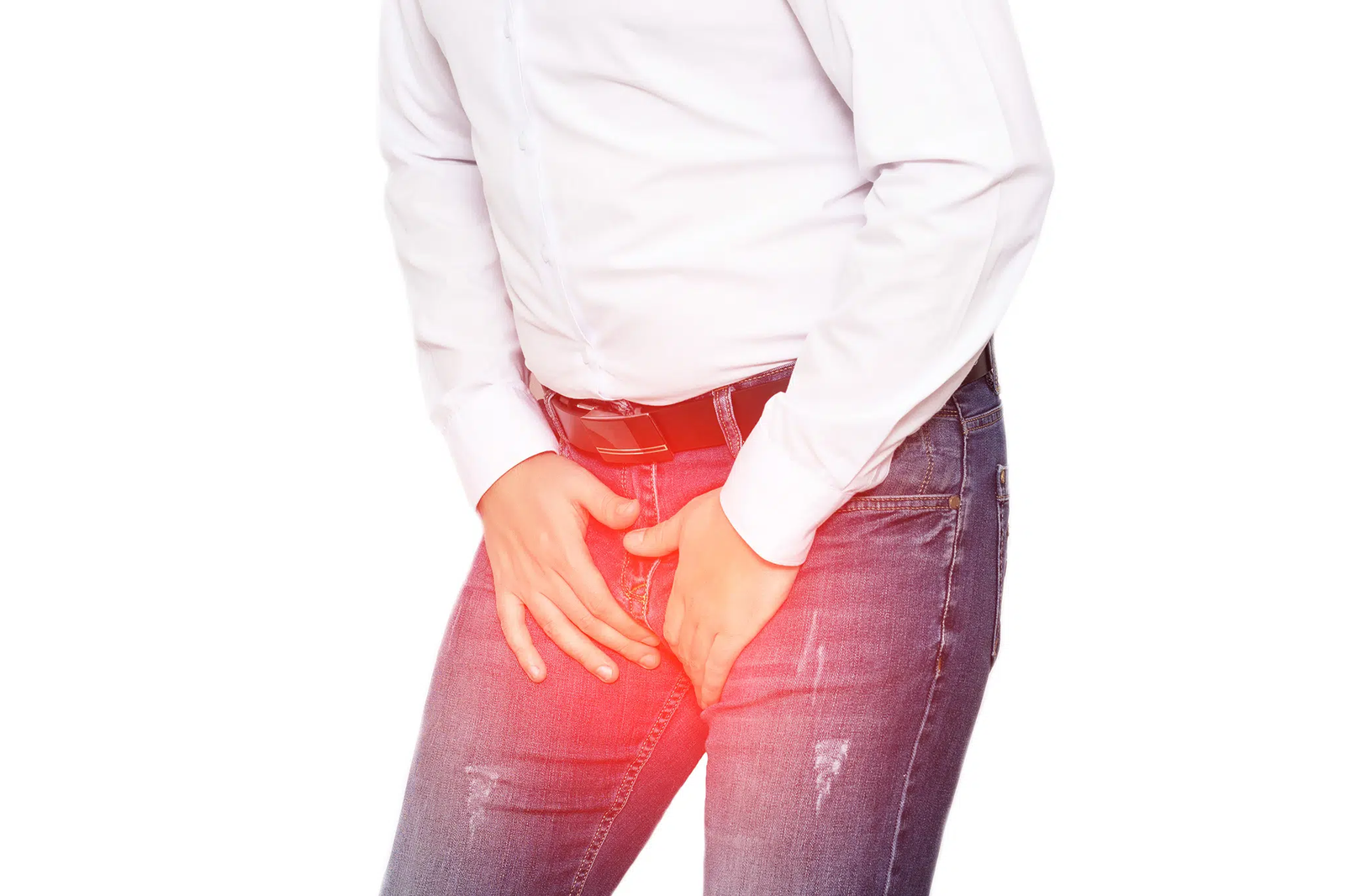
A varicocele is an enlargement of the veins within the scrotum, similar to varicose veins that occur in the legs. These veins make up the pampiniform plexus, which is responsible for draining oxygen-depleted blood from the testicles. When the tiny valves inside these veins fail to work correctly, blood pools instead of flowing smoothly back to the heart. This pooling causes the veins to stretch and swell, leading to the characteristic “bag of worms” appearance and feel.
While many men with this condition do not experience obvious symptoms, others suffer from a dull, aching pain that worsens during physical exertion or after standing for long periods. Beyond physical discomfort, varicoceles can have a significant impact on male fertility. The pooled blood raises the temperature of the testicles, which can impair sperm production and lower sperm quality. Consequently, many men seek a medical evaluation to determine if they require clinical intervention to restore fertility or alleviate persistent scrotal pain. Doctors categorise these into three grades based on size, with larger varicoceles more likely to cause noticeable symptoms. Understanding this condition helps demystify why certain physical activities cause discomfort and why early medical consultation is beneficial for reproductive health.
Understanding Vulvar Varicosities in Women
On the other side of the anatomical spectrum, vulvar varicosities refer to varicose veins that develop in the outer female genitalia, known as the vulva. This condition most commonly occurs during pregnancy due to a combination of hormonal changes and increased pressure on the pelvic veins. As gestational hormones relax the vein walls, the growing uterus puts physical pressure on the inferior vena cava, slowing down blood flow from the lower body. This backpressure causes blood to pool in the vulvar region, leading to swollen, tender, and sometimes itchy veins.
Women experiencing this issue often report a heavy, aching sensation in the pelvis, which typically intensifies after standing, walking, or sexual intercourse. Although the physical appearance of these swollen veins can cause distress, the condition is usually temporary. In most cases, the swelling subsides naturally within a few weeks or months after childbirth as hormone levels normalise and pelvic pressure decreases. However, for some women, especially those with pre-existing venous insufficiency or multiple pregnancies, the veins may remain enlarged. Managing the discomfort involves conservative measures like wearing supportive garments, avoiding prolonged standing, and applying cold compresses to the affected area to reduce swelling and improve daily comfort.
The Shared Pathophysiology of Venous Insufficiency
Despite affecting different anatomical structures and genders, varicoceles and vulvar varicosities share an identical pathological mechanism: venous insufficiency. In a healthy circulatory system, veins contain one-way valves that prevent blood from flowing backward as it travels upward against gravity toward the heart. When these valves weaken or fail, gravity pulls the blood downward, causing it to pool in the lowest points of the local venous system.
In both conditions, this pooling leads to increased pressure within the vessel walls, causing them to dilate, twist, and become painful. The underlying risk factors also overlap, including genetics, a sedentary lifestyle, and prolonged standing, which place consistent strain on the lower pelvic vasculature. Moreover, both issues are closely linked to pelvic congestion syndrome, where faulty veins in the lower abdomen cause chronic pelvic pain. Recognising that these conditions are essentially the same physiological problem in different locations helps reduce the stigma often associated with genital vascular issues. Patients can find comfort in knowing that their symptoms are not anomalous but are well-understood vascular events. This common ground also means that the diagnostic approaches and some conservative management techniques, such as elevating the pelvis and improving circulation through gentle exercise, are remarkably similar for both men and women.
Diagnostic Methods and Modern Treatment Options
Diagnosing both conditions typically begins with a physical examination, followed by a duplex ultrasound to assess blood flow and confirm the presence of reversed flow in the veins. Once a diagnosis is established, the approach to management diverges based on the severity of symptoms and the patient’s lifestyle goals. For men, varicocele treatment is highly structured and ranges from conservative monitoring to active intervention. If fertility is compromised or pain is severe, procedures like microsurgical varicocelectomy or percutaneous embolisation are highly effective. Embolisation is a minimally invasive option where a radiologist inserts a tiny catheter to block the damaged vein, redirecting blood flow through healthier pathways.
Conversely, intervention for women is generally conservative, particularly during pregnancy when invasive procedures are avoided. Supportive wear, such as specialised compression underwear, offers significant relief by physically supporting the swollen tissues. If the vulvar varicosities persist long after pregnancy and continue to cause chronic pain, modern treatments like sclerotherapy or pelvic vein embolisation can target the source of the problem. Sclerotherapy involves injecting a solution directly into the vein, causing it to shrink and eventually disappear. Comparing these pathways shows that while the immediate management plans differ, both conditions benefit from advanced vascular techniques designed to restore normal circulation and eliminate chronic pelvic discomfort.
Conclusion
While varicoceles and vulvar varicosities affect different genders, they are fundamentally similar vascular conditions driven by venous insufficiency. Both cause physical discomfort and emotional distress, yet both are highly manageable with modern medicine. Men experiencing scrotal pain or fertility concerns should seek professional advice regarding varicocele treatment to improve their reproductive health. Similarly, women dealing with pelvic pressure during or after pregnancy can find relief by addressing these swollen veins through supportive care or targeted vascular therapies. Recognising the shared nature of these conditions helps patients understand their bodies better and seek the right medical expertise. With accurate diagnosis and tailored management plans, individuals can successfully alleviate their symptoms and regain their quality of life.
About the Author