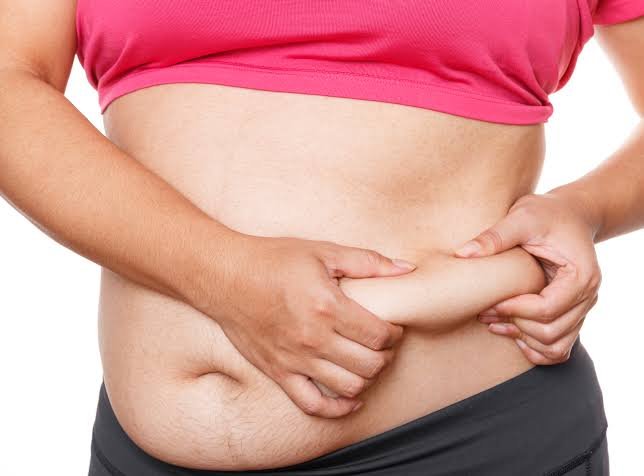
Liposuction is a popular cosmetic procedure designed to remove stubborn pockets of fat that do not respond well to diet and exercise. It is not a weight-loss treatment, but it can help reshape selected areas and create a more balanced body contour. Understanding how the procedure works, who may benefit, what recovery involves, and what results to expect can help people make informed decisions.
What Is Liposuction?
Liposuction is a surgical body-contouring technique that removes excess fat from specific areas. During treatment, a surgeon makes small incisions and uses a thin tube called a cannula to loosen and suction fat cells. Common treatment areas include the abdomen, thighs, hips, buttocks, arms, back, chin, and neck.
The goal is usually refinement rather than dramatic weight reduction. A suitable candidate often has localized fat deposits, relatively stable weight, realistic expectations, and enough skin elasticity to achieve a smooth contour after fat removal. A consultation is essential because individual anatomy and health can affect whether the procedure is appropriate.
How Does the Procedure Work?
Before surgery, the surgeon evaluates the areas to be treated and discusses the desired contour. Treatment planning may include photographs, medical history, medication review, and instructions about eating, drinking, smoking, and medicines. The type of anesthesia depends on the extent and location of the procedure.
During liposuction, small incisions are created, and fluid may be introduced into the treatment area to reduce bleeding and make fat removal easier. The surgeon then moves the cannula through the targeted tissue and carefully removes selected fat. Techniques can vary, so patients should ask which approach is recommended and why.
Who May Be a Good Candidate?
Good candidates are generally adults who are close to their preferred weight and have specific areas of unwanted fat. Healthy lifestyle habits are important because liposuction works best as a contouring procedure rather than a substitute for healthy eating or physical activity.
People with significant medical problems, poor skin elasticity, unrealistic expectations, or unstable weight may need additional assessment before considering surgery. Pregnancy, certain medications, smoking, and some chronic conditions can also influence surgical planning. Only a qualified medical professional who reviews the individual’s circumstances can determine suitability.
Areas Commonly Treated
The abdomen is one of the most frequently treated areas because localized fat can remain even when overall weight is healthy. Liposuction may also be used on the flanks, hips, thighs, upper arms, back, and beneath the chin. Treating more than one area can sometimes produce a more harmonious overall contour.
Not every body area is suitable for the same technique or amount of fat removal. Skin quality, fat distribution, muscle structure, and previous surgery can all influence the plan. A skilled surgeon focuses on proportion and smooth transitions instead of simply removing as much fat as possible.
Benefits of Liposuction
The main benefit is improved body contour in areas where resistant fat affects proportions. Clothing may fit differently, and the treated area can appear more defined once swelling subsides. Because fat cells are physically removed, the result can be long lasting when a person maintains a relatively stable weight.
Liposuction can also be combined with other procedures when appropriate, depending on a patient’s goals and medical assessment. However, it does not correct every cause of an uneven abdomen or loose skin. Discussing the desired outcome honestly during consultation helps establish realistic expectations.
Risks and Possible Complications
Like any surgery, liposuction has risks. Possible complications include bleeding, infection, fluid accumulation, temporary numbness, swelling, bruising, contour irregularities, scarring, and changes in skin sensation. More serious complications are uncommon but can occur, particularly when extensive surgery or multiple procedures are involved.
Choosing a properly qualified surgeon and an appropriately equipped surgical facility can reduce avoidable risks. Patients should disclose medical conditions, allergies, previous operations, and all medications or supplements. They should also follow preoperative and postoperative instructions carefully and seek medical attention promptly if concerning symptoms develop.
Preparing for Liposuction
Preparation begins with a detailed consultation. Patients should explain their goals and provide a complete medical history. The surgeon may recommend laboratory tests or other assessments and may provide instructions about medications, smoking, alcohol, diet, and arranging transportation home.
It is also helpful to prepare the recovery space in advance. Loose clothing, prescribed medications, comfortable resting arrangements, and assistance with everyday tasks can make the first days easier. Patients should plan time away from work and understand that recovery varies according to the amount and location of fat removed.
Recovery After Surgery
Swelling, bruising, soreness, and temporary numbness are common during early recovery. Compression garments are often recommended to support the treated area and help manage swelling. Light movement may be encouraged, while strenuous exercise and heavy lifting are generally restricted until the surgeon says they are safe.
Early changes can be visible, but the final contour takes time to develop as swelling decreases and tissues settle. Follow-up appointments allow the surgeon to monitor healing and address questions. Recovery timelines differ considerably, so patients should use their surgeon’s instructions rather than comparing their progress with someone else’s experience.
Maintaining Your Results
Liposuction permanently removes many fat cells from the treated area, but it does not prevent remaining fat cells from enlarging. Significant weight gain can therefore alter the contour achieved through surgery. Maintaining a balanced diet, regular physical activity, and stable weight is important for preserving results.
Healthy habits also support general wellbeing and can help patients feel more comfortable with their body over time. Liposuction should be viewed as one part of a broader approach to body contouring, not as a replacement for lifestyle habits or a solution for obesity.
Choosing a Qualified Surgeon
Selecting the right surgeon is one of the most important decisions in the process. Look for appropriate surgical training, recognized professional credentials, experience with liposuction, and a facility that follows accepted safety standards. Ask how frequently the surgeon performs the procedure and whether they have experience treating your specific area.
A consultation should feel informative rather than rushed. Ask about the technique, anesthesia, expected recovery, possible complications, follow-up care, and what results are realistic. Be cautious of promises of perfection or pressure to schedule surgery immediately. A trustworthy professional should prioritize safety and informed consent.
Questions to Ask Before Treatment
Before deciding, patients can ask who will perform the surgery, where it will take place, what anesthesia will be used, and what recovery restrictions should be expected. It is also useful to ask about the surgeon’s experience, potential complications, follow-up schedule, and what happens if a concern develops after surgery.
Cost is another practical consideration, but price should not be the only deciding factor. Fees can vary according to treatment areas, anesthesia, facility charges, and aftercare. A clear written estimate can help prevent unexpected expenses and make comparisons more meaningful.
Final Thoughts
Liposuction can be an effective option for carefully selected people who want to improve the shape of specific areas with persistent fat deposits. Its purpose is body contouring, not major weight loss, and the best outcomes depend on realistic expectations, appropriate patient selection, surgical skill, and careful recovery.
Anyone considering treatment should arrange an individual consultation with a qualified medical professional. Understanding benefits, limitations, risks, costs, and recovery requirements before surgery makes the decision more informed. With suitable planning and healthy long-term habits, liposuction may provide a meaningful improvement in body contour and confidence. Patience matters because every body responds differently.
About the Author