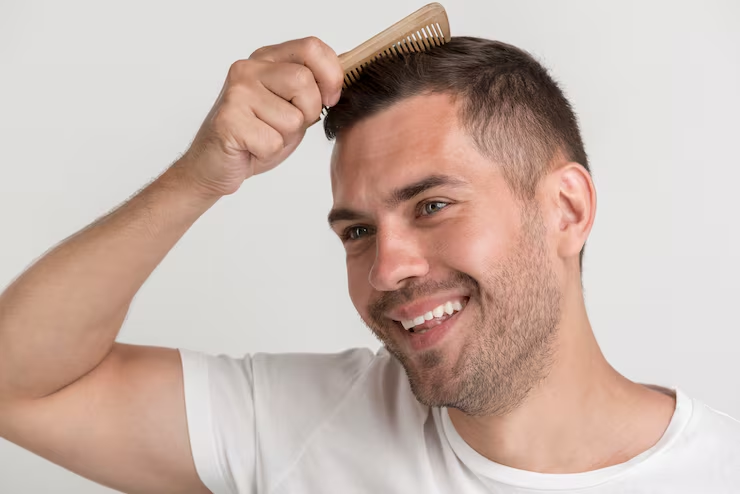
Hair loss affects millions of Australians, often impacting self-esteem and personal confidence. Fortunately, modern restorative procedures offer reliable, natural-looking solutions for thinning hair. If you are considering a Melbourne hair transplant, understanding your options is the first step toward reclaiming a full head of hair. While surgical restoration remains the gold standard for permanent hair replacement, non-surgical therapies have also gained significant traction. Specifically, Platelet-Rich Plasma therapy has emerged as a powerful standalone option or a supportive treatment to boost surgical outcomes. Evaluating these choices requires a clear understanding of how each procedure works, what the recovery entails, and how they can combine to deliver optimal results.
Understanding the Hair Transplant Process
Surgical hair restoration has transitioned from the plug-like grafts of the past to highly sophisticated micro-grafting techniques. The two primary methods used today are Follicular Unit Extraction (FUE) and Follicular Unit Transplantation (FUT). During an FUE procedure, individual hair follicles are harvested directly from a donor area—usually the back or sides of the scalp—and meticulously implanted into the thinning regions. FUT, on the other hand, involves removing a small strip of tissue from the donor zone, from which individual follicular units are extracted under a microscope. Both methods aim to create a natural hairline that matches your original hair growth pattern.
Surgical Precision and Graft Survival
Choosing a qualified surgeon who understands facial symmetry and hair density is crucial for achieving a seamless finish. The procedure is performed under local anaesthetic, ensuring patient comfort throughout the day. While the surgery itself takes several hours, the permanent nature of the transplanted hair makes it a highly rewarding investment. Over the course of twelve months, these transplanted follicles settle, shed, and eventually grow new, strong hair that you can wash, cut, and style normally. Clinic selection plays a vital role in this journey, as experienced practitioners customise the graft placement to suit your specific hair loss stage.
The Role of Platelet-Rich Plasma (PRP) Therapy
For individuals experiencing early-stage thinning or those looking to strengthen existing hair, non-surgical options offer an excellent starting point. This is where PRP treatment in Melbourne has become increasingly popular. The process relies on the healing properties of your own blood to stimulate dormant hair follicles. A clinician draws a small amount of blood, which is then placed in a centrifuge. This machine spins the blood at high speeds to separate the platelet-rich plasma from the red and white blood cells.
How Plasma Stimulates Growth
This concentrated plasma, rich in growth factors and essential proteins, is then carefully injected into the targeted areas of the scalp. These growth factors work to increase blood supply to the hair follicles, prolong the active growth phase of the hair cycle, and increase hair shaft thickness. Because the treatment uses your own biological material, the risk of allergic reactions or adverse side effects is exceptionally low. Patients typically undergo an initial series of three to four sessions spaced one month apart, followed by maintenance treatments every six to twelve months. It serves as an accessible, minimally invasive therapy that requires virtually no downtime, allowing patients to return to their daily routines immediately after their appointment.
Combining Surgery and PRP for Optimal Results
While both treatments are highly effective on their own, combining them often yields the most impressive outcomes. Many leading clinics recommend scheduling a PRP treatment in Melbourne alongside a Melbourne hair transplant to accelerate healing and improve graft survival rates. When injected into the scalp during or shortly after surgery, the growth factors in the plasma can speed up the recovery of both the donor and recipient areas. This combination therapy minimises scabbing, reduces post-operative redness, and encourages the newly transplanted follicles to establish a blood supply more rapidly.
A Dual Approach to Density
Furthermore, PRP can revitalise the non-transplanted, thinning hairs surrounding the surgical site, preventing further hair loss in adjacent areas. This dual approach ensures that the overall density of your hair is maximised, creating a more cohesive and natural look. Patients who choose this integrated path often report faster visible growth of their transplanted hair and an overall healthier scalp environment. Clinicians typically schedule these supportive plasma sessions a few weeks before the surgery to prepare the scalp, and then several weeks post-surgery once the initial healing phase has concluded. This structured timeline ensures the delicate new grafts are never disrupted while still receiving maximum cellular support.
What to Expect During Recovery and Beyond
Understanding the recovery timeline helps patients manage their expectations and plan their schedules accordingly. Following a surgical hair restoration procedure, the scalp will be tender, and small scabs will form around the graft sites. These scabs typically naturally fall off within ten to fourteen days. Patients must follow strict post-operative instructions, which include sleeping with their head elevated, avoiding strenuous exercise for at least two weeks, and using specialised, gentle shampoos.
The Timeline of Hair Growth
In contrast, the recovery from a plasma session is almost instantaneous, with mild redness or swelling resolving within a few hours. A crucial phase that every surgical patient must prepare for is “shock shedding.” Around two to eight weeks after surgery, the transplanted hairs will fall out. This is a completely normal part of the cycle, and the follicles remain healthy beneath the skin. By the third or fourth month, new hair begins to emerge. Significant cosmetic improvement is usually visible around the six-month mark, with final results establishing between twelve and eighteen months. Patience is key during this period, as hair growth is a gradual biological process that cannot be rushed. Regular follow-up appointments with your clinical team ensure that your scalp is healing correctly and that your hair growth is progressing on track.
Choosing the Right Clinic and Practitioner
Selecting the right medical team is the most critical decision in your hair restoration journey. Because hair restoration requires both medical precision and artistic vision, you should seek out qualified practitioners with extensive experience in the field. During your initial consultation, ask to see a portfolio of before-and-after photographs of previous patients with similar hair loss patterns to your own. A reputable clinic will provide a transparent assessment of your donor hair availability and recommend a personalised treatment plan tailored to your goals.
Prioritising Safety and Transparency
They should explain the limitations of the procedures and never promise unrealistic results. Whether you opt for a Melbourne hair transplant or decide that PRP treatment in Melbourne is a better starting point for your current stage of hair loss, a professional clinic will prioritise your safety and satisfaction. Be sure to ask about the specific technologies they use, the qualifications of the technicians assisting in the surgery, and the comprehensive aftercare support they provide. Taking the time to research and choose an accredited facility ensures a safe procedure and a natural-looking outcome that you can enjoy for decades to come. This thorough preparation gives you peace of mind throughout your clinical experience.
Conclusion
Addressing hair loss is a highly personal decision, but modern clinical advancements have made achieving a natural, fuller head of hair more accessible than ever. Whether you choose the permanent, transformative results of surgical restoration or the non-invasive, regenerative benefits of platelet-rich plasma, understanding your options ensures you make an informed choice. Combining these therapies often provides the ultimate pathway to restoring both your hair and your confidence. By partnering with experienced professionals and maintaining realistic expectations throughout the recovery process, you can achieve outstanding, long-term results. Taking that first step toward a clinical consultation can set you on the path to a revitalised appearance and renewed self-assurance.
About the Author