As we age, the delicate skin around our eyes begins to lose its elasticity, often resulting in a tired or heavy appearance. If you are noticing drooping upper lids, you might be looking for ways to refresh your gaze. Many locals are turning to non-invasive options like ultherapy in Melbourne to lift the brow line without downtime. However, others require more significant correction and opt for hooded eye surgery. Choosing between a non-surgical lift and surgical intervention depends on your anatomy, budget, and expectations. Understanding how each procedure targets eyelid laxity will help you make an informed decision for your rejuvenation journey.
Understanding Eyelid Laxity and Brow Droop
The appearance of heavy, hooded eyelids often stems from two distinct anatomical changes: excess eyelid skin or a descending brow line. As collagen production slows down, the forehead skin loses its structural support, gradually pushing the eyebrows downward. This displacement creates a hooded effect over the eyes, even if the eyelid skin itself is relatively firm. Conversely, some individuals naturally possess genetic hooding, which becomes more pronounced over time as the skin stretches and loses its bounce.
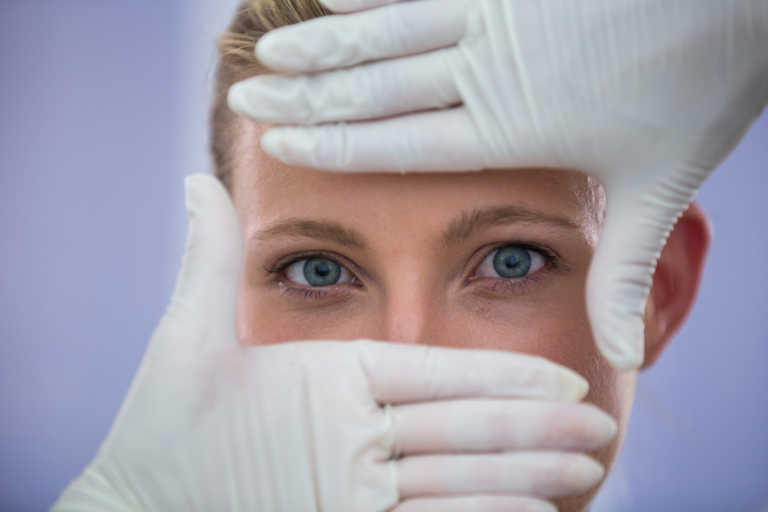
Before choosing a treatment, a professional assessment is vital. If your main issue is a sagging brow, lifting the forehead area can dramatically open up your eyes. For this concern, non-surgical skin tightening offers a practical way to elevate the brow tissue. On the other hand, if you have a significant physical fold of loose skin resting directly on your eyelashes, non-surgical lifting might not yield the change you desire. In these instances, physically removing the redundant tissue becomes the more effective path. Correctly identifying whether your concern is brow ptosis or true eyelid dermatochalasis ensures you select a treatment that addresses the root cause of your tired-looking eyes.
How Ultherapy Lifts the Eye Area Non-Invasively
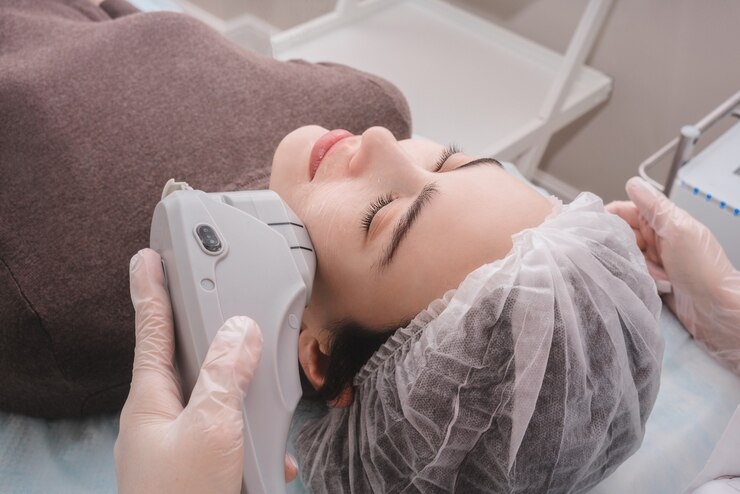
Ultherapy relies on micro-focused ultrasound energy to stimulate the body’s natural healing response. This advanced system bypasses the surface of the skin, delivering targeted heat to the foundational tissue layers, specifically the superficial muscular aponeurotic system (SMAS). By heating these deep layers, the treatment triggers immediate collagen contraction and initiates a multi-month synthesis of fresh, strong collagen fibres.
When administering ultherapy in Melbourne, clinicians focus on the brow and forehead area to achieve a subtle, non-surgical brow lift. As the forehead skin tightens and lifts, it pulls the upper eyelid skin upward, reducing the hooded appearance. The primary benefit of this approach is the complete absence of incisions, needles, or post-treatment downtime. You can return to your normal daily routine immediately after leaving the clinic. While the initial tightening is visible, the final results develop gradually over three to six months as new collagen matures. This treatment is ideal for individuals experiencing mild to moderate skin laxity who prefer a natural-looking enhancement over surgical alteration. However, patients must understand that ultrasound therapy cannot remove excess skin; it can only tighten and lift existing tissue.
The Surgical Approach with Blepharoplasty
For individuals experiencing severe hooding that may even obstruct their peripheral vision, surgical correction offers a definitive solution. Often referred to as upper blepharoplasty, hooded eye surgery involves making precise incisions along the natural crease of the upper eyelid. Through these small openings, a surgeon carefully removes excess skin, muscle, and sometimes small pockets of fat that contribute to the heavy, puffy appearance of the eyes.
Because this procedure physically alters the eyelid structure, the results are highly dramatic and long-lasting. The surgeon closes the incisions with fine sutures, which are typically removed within a week. While the healing process requires some patience, the scarring remains well-concealed within the natural eyelid fold, making it virtually invisible once fully healed. Patients choosing hooded eye surgery must prepare for a recovery period of one to two weeks, during which bruising, swelling, and mild dryness are common. Despite the required downtime, the surgery delivers a refreshed, youthful eye contour that can last for a decade or more. It remains the gold standard for those seeking a permanent correction for severe structural hooding that non-surgical methods simply cannot resolve.
Comparing Recovery, Longevity, and Suitability
Deciding between these two popular procedures requires a careful comparison of your lifestyle, budget, and aesthetic goals. If you have a busy schedule and cannot afford time off work, ultherapy in Melbourne provides a highly convenient option. There is no surgical wound care, and any post-treatment redness typically fades within a few hours. This non-invasive treatment is also an excellent preventative measure for younger patients noticing the very first signs of a drooping brow.
Conversely, if you desire a permanent transformation, hooded eye surgery is the superior investment. While the upfront cost and recovery time are higher, the surgical results do not require annual maintenance sessions. Ultrasound treatments, while effective, generally need repeating every twelve to eighteen months to maintain the lifting effects as natural ageing continues. Additionally, surgery can address severe skin folds that ultrasound energy cannot correct.
To summarise the key differences:
● Downtime: Ultrasound lifting has zero downtime; surgery requires seven to ten days of recovery.
● Results: Ultrasound therapy offers subtle, gradual lifting; surgery provides immediate, dramatic structural changes.
● Longevity: Ultrasound results last up to two years; surgical outcomes last ten years or more.
Consulting with an experienced practitioner will clarify which option aligns best with your anatomy.
Conclusion
Achieving a bright, youthful eye area depends on selecting the right procedure for your unique facial structure. For mild sagging and a natural lift without the knife, seeking ultrasound therapy offers a convenient, zero-downtime solution that works by boosting your own collagen. However, if you are dealing with significant excess skin that drapes over your lashes, surgical intervention remains the most effective way to restore a refreshed appearance. By weighing up the recovery times, costs, and expected longevity of each option, you can confidently choose the path that best fits your personal goals. Book a professional consultation to discuss your needs and start your rejuvenation journey today.
About the Author