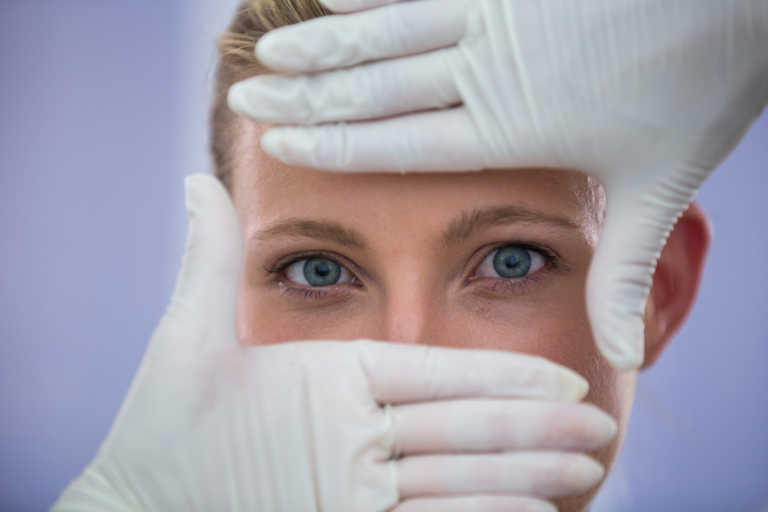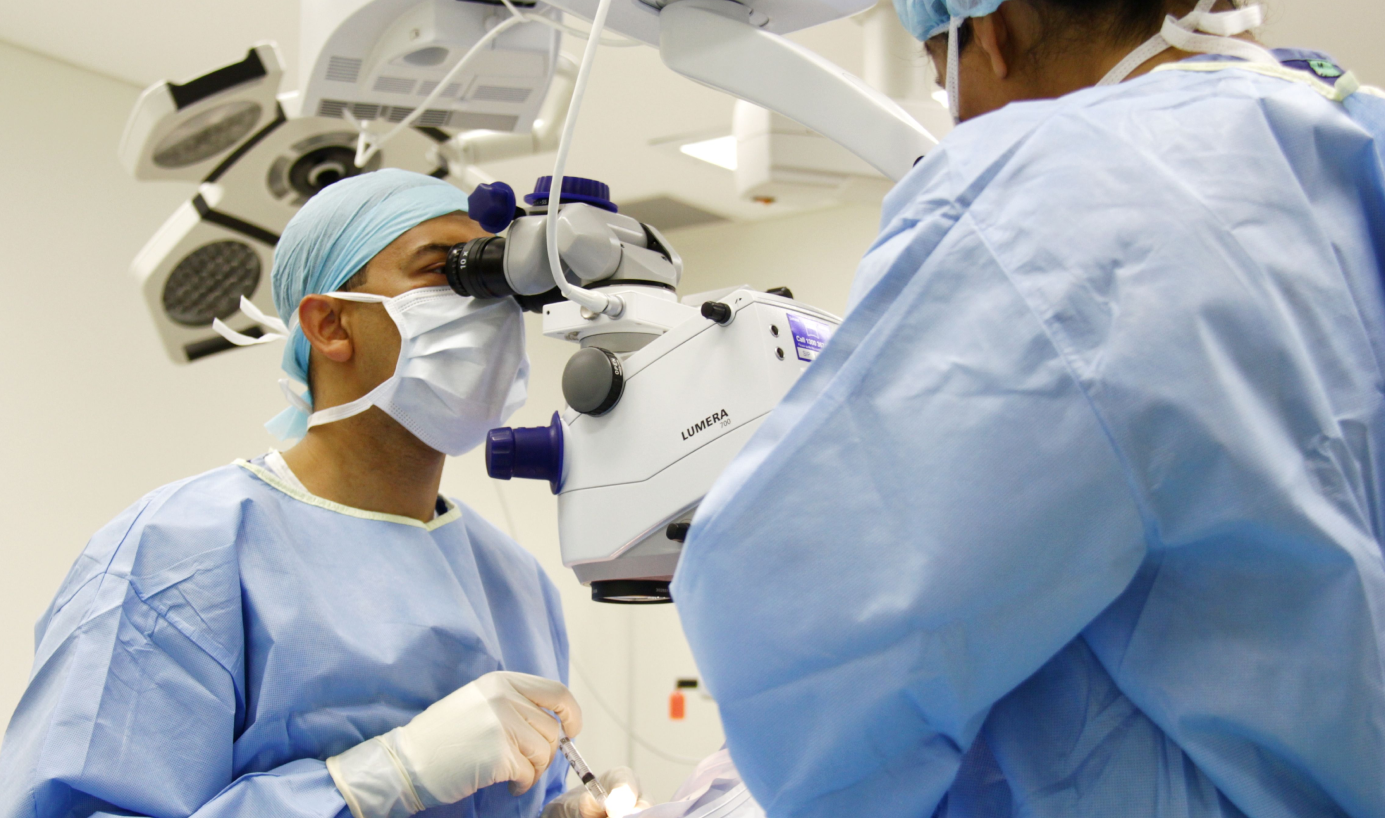
Maintaining clear vision is vital for your quality of life, yet many people neglect their eye health until problems arise. When serious vision issues occur, or when you require specialised medical eye care, general practitioners usually refer you to a specialist. Finding the right specialist is a critical decision for your long-term well-being. Highly qualified ophthalmologists in Sydney offer world-class medical and surgical eye care, helping patients manage complex conditions and restore their sight. Choosing the right medical professional requires a clear understanding of their qualifications, area of expertise, and clinic capabilities. This guide outlines the essential steps to ensure you select the best specialist for your unique visual needs.
Understanding the Role of an Ophthalmologist
Before beginning your search, you must understand what sets these specialists apart from other eye care professionals. While optometrists handle primary vision care, prescribe glasses, and detect basic eye issues, ophthalmologists are medical doctors who have completed additional years of intensive surgical training. These specialists diagnose complex eye diseases, perform intricate surgeries, and prescribe advanced medical treatments.
The Medical and Surgical Difference
Because they are fully trained medical doctors, these specialists can manage systemic health issues that affect your vision, such as diabetes or high blood pressure. If you suffer from progressive conditions like macular degeneration, cataracts, or glaucoma, you require the advanced intervention that only medical specialists can provide.
Finding Local Specialists
When searching for ophthalmologists in Sydney, you will find clinics ranging from solo private practices to large multi-disciplinary eye centres. Choosing a specialist who collaborates with your regular optometrist ensures a seamless transition from routine eye tests to advanced medical treatments. This collaborative approach leads to better health outcomes and a more coordinated treatment plan, especially if you require ongoing monitoring for chronic eye conditions. Many local clinics also offer emergency services for sudden vision loss or physical trauma to the eye, making proximity a key factor in your decision.
Key Credentials and Specialisations to Look For
When evaluating potential eye specialists, checking their professional credentials is the most reliable starting point. In Australia, fully qualified eye surgeons must be fellows of the Royal Australian and New Zealand College of Ophthalmologists (RANZCO). This fellowship guarantees that the practitioner has completed at least five years of rigorous post-graduate specialist training.
Sub-Specialisation in Eye Care
The field of eye medicine is highly diverse, and many surgeons focus on specific parts of the eye. For instance, some focus exclusively on retinal diseases, while others specialise in corneal transplants or refractive surgeries. If you require cataract surgery, you should seek a practitioner with extensive experience in intraocular lens implantation.
Verifying Track Records
Do not hesitate to ask a clinic about a surgeon’s specific experience level with your diagnosed condition. A reputable specialist will readily share their success rates and explain their approach to patient care. You can also research patient reviews and professional recommendations to gauge how the specialist interacts with patients. A surgeon who actively participates in clinical research and ongoing medical education often brings the latest evidence-based techniques to their clinical practice, ensuring you receive the highest standard of care.
Evaluating Advanced Treatment Options
Modern eye medicine relies heavily on state-of-the-art technology to achieve precise surgical outcomes. Different clinics invest in different diagnostic and therapeutic tools, which directly impacts the types of procedures they can offer. This is particularly relevant if you require correction for refractive errors such as short-sightedness, long-sightedness, or astigmatism.
Innovative Refractive Procedures
For those seeking freedom from glasses, researching Sydney astigmatism treatments will reveal several advanced surgical options. Laser eye surgeries like LASIK and PRK, as well as premium intraocular lenses, can correct irregular corneal curvatures with remarkable accuracy.
Customised Treatment Plans
An outstanding specialist will not offer a one-size-fits-all solution. They will conduct detailed corneal mapping and ocular scans to determine the safest procedure for your eyes. For example, patients with thin corneas might not qualify for standard laser procedures but could achieve excellent results through alternative lens-based surgeries. Understanding the specific technologies a clinic uses helps you make an informed decision about where to undergo treatment, ensuring that the chosen path aligns perfectly with your physical suitability and lifestyle goals.
Assessing Clinic Technology and Patient Care
The quality of your eye care journey depends on more than just the surgeon’s skill; the clinic’s overall environment and technology play an equally vital role. Advanced diagnostic tools allow specialists to detect subtle changes in your eye structure years before physical symptoms appear.
Cutting-Edge Diagnostic Equipment
High-resolution optical coherence tomography (OCT) scanners and digital retinal photography are standard in top-tier facilities. When researching ophthalmologists in Sydney, look for clinics that invest in these non-invasive imaging technologies. Accurate diagnostics prevent misdiagnosis and allow for the early management of sight-threatening conditions.
Comprehensive Care and Support
Excellent patient care extends from the initial consultation through to post-operative follow-ups. The clinic staff should be approachable, helpful, and willing to explain complex medical fees clearly. If you are undergoing Sydney astigmatism treatments, the clinic should provide a detailed recovery plan and easy access to clinical staff if you experience post-surgery questions. A supportive administrative and nursing team reduces the anxiety associated with eye procedures, making your entire treatment experience comfortable and stress-free.
Preparing for Your First Consultation
Once you have shortlisted potential specialists, preparing thoroughly for your initial consultation will help you get the most out of your appointment. Gather your complete medical history, including a list of all current medications, previous eye injuries, and your family history of eye diseases.
What to Bring to the Clinic
Bring your current prescription glasses, contact lenses, and any recent test results from your optometrist. Because many eye examinations require dilating eye drops that make your vision blurry and sensitive to light for several hours, you should arrange transport home after your appointment.
Asking the Right Questions
Use this face-to-face time to assess your comfort level with the specialist. Ask about the potential risks, recovery timelines, and expected outcomes of your proposed treatment. If you are discussing Sydney astigmatism treatments, ask the doctor why they recommend a specific laser or lens option over another. A trustworthy specialist will answer your questions patiently, explain complex terms in plain language, and never pressure you into making an immediate decision. This initial meeting is your opportunity to build a trusting relationship with the person managing your sight.
Final Thoughts
Prioritising your eye health means choosing a specialist who combines exceptional surgical skill with genuine patient care. By verifying credentials, seeking out advanced clinic technology, and asking targeted questions during your initial consultation, you can confidently select a professional who meets your specific needs. Whether you require routine management for a chronic condition or are seeking specialised procedures to correct your vision, taking the time to research your options ensures your eyes remain in the safest possible hands. Your sight is one of your most precious assets; investing effort into finding the right medical care today will protect your vision for years to come.
About the Author