Selecting the right cosmetic procedure to rejuvenate your appearance can feel overwhelming given the sheer number of modern clinical options. Two of the most popular non-surgical facial treatments available today are FaceTite and laser skin resurfacing. If you are researching options for facetite in Melbourne, you likely want to address skin laxity without undergoing a traditional surgical facelift. Conversely, laser therapies excel at refining surface texture, evening out pigmentation, and boosting overall skin health. Both approaches deliver impressive anti-ageing outcomes, but they function in fundamentally different ways. This guide breaks down the mechanisms, benefits, and recovery times of each option to help you make an informed decision for your aesthetic goals.
Understanding FaceTite and Its Unique Benefits
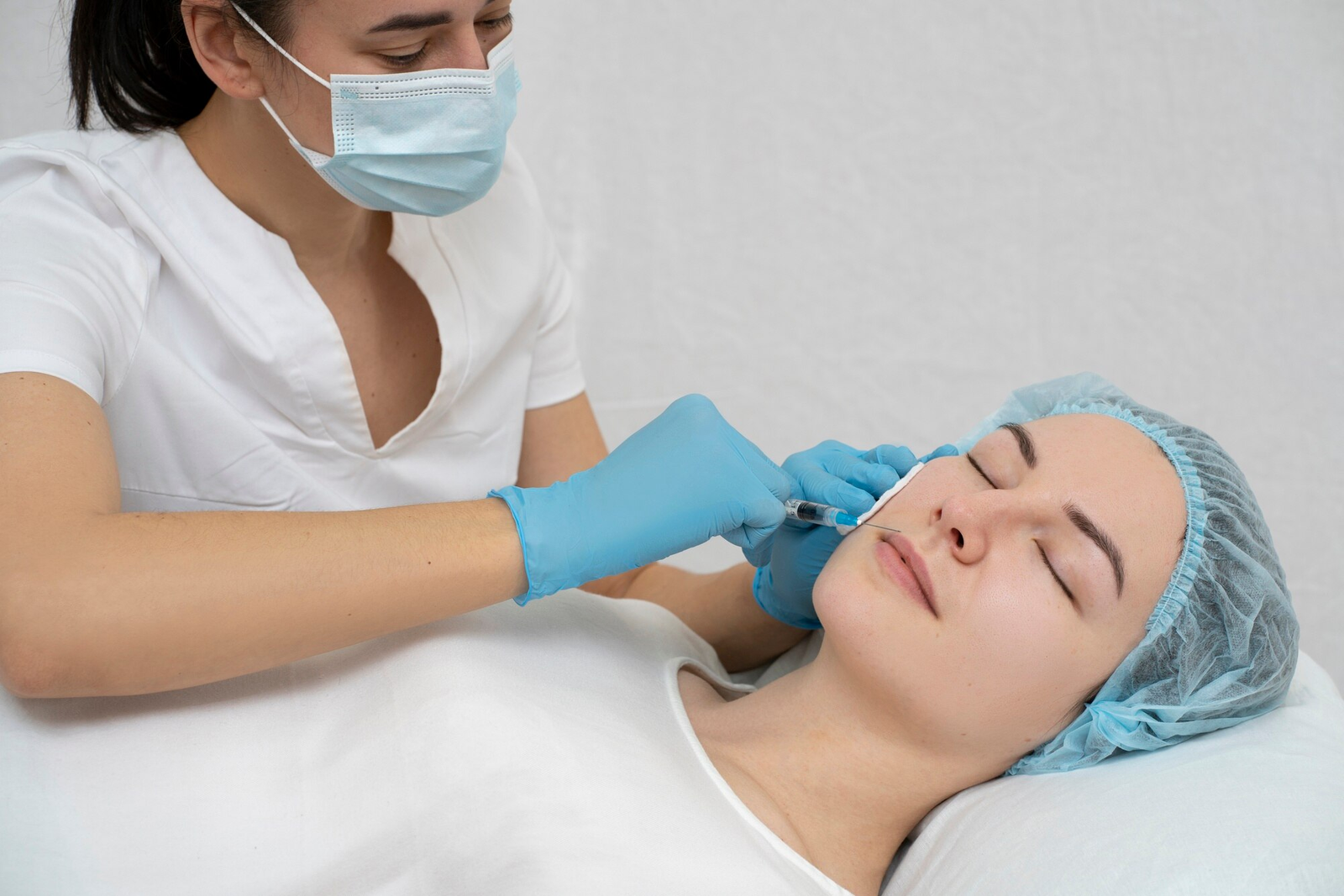
FaceTite represents a significant advancement in minimally invasive contouring technology. This treatment utilises radiofrequency assisted lipolysis (RFAL) to address loose skin and stubborn fat deposits simultaneously. During the procedure, a qualified practitioner inserts a tiny probe underneath the skin while a matching electrode glides along the external surface. The radiofrequency energy flowing between these two points heats the deep dermal layers and subcutaneous fat. This controlled heating liquefies local fat cells and immediately contracts the collagen fibres, leading to a tighter, more defined structural foundation.
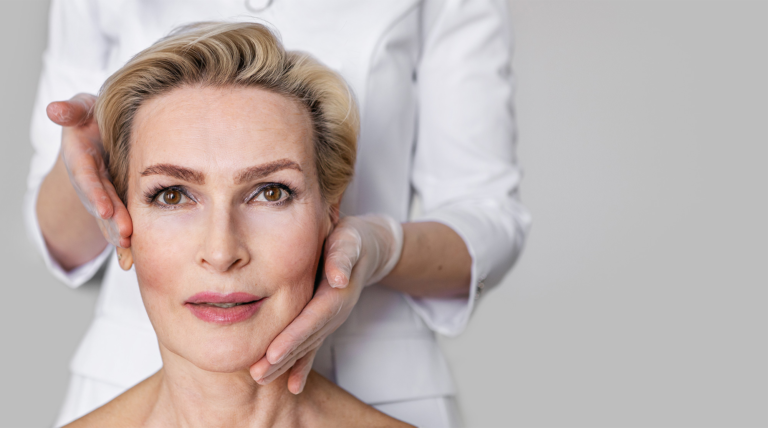
Patients seeking facetite in Melbourne often select this method to treat the lower face, jawline, and neck area. It offers a viable bridge between simple topical skincare and invasive surgery. Because the procedure requires only local anaesthetic and tiny insertion points, downtime remains minimal. Most individuals return to light activities within a few days, wearing a compression garment to support the healing tissues. Over the following three to six months, new collagen production continues to improve skin firmness. The results are long-lasting, often remaining visible for several years. This makes it an exceptional choice for individuals experiencing mild to moderate sagging who want structural lifting without the scars associated with a surgical facelift.
How Laser Skin Resurfacing Revitalises the Skin Surface
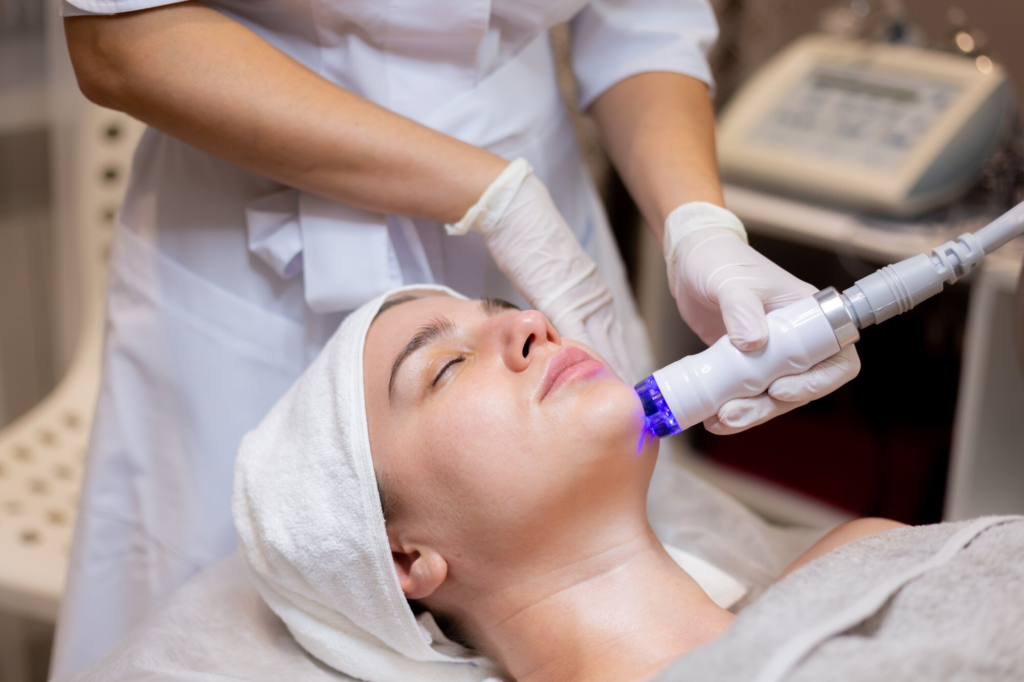
While FaceTite restructures the deeper tissues, laser skin resurfacing focuses primarily on the epidermal and upper dermal layers. This treatment employs concentrated beams of light to remove damaged skin cells precisely, layer by layer. Practitioners categorise these lasers into two main types: ablative and non-ablative. Ablative lasers vaporise the outer layer of skin to trigger a robust healing response, while non-ablative lasers heat the underlying tissue without damaging the surface. Both methods stimulate collagen synthesis, which softens fine lines, reduces acne scarring, and minimises sun damage.
Laser technology is highly versatile and adaptable to various skin types and concerns. Beyond facial rejuvenation, clinics frequently use specialised laser systems on other parts of the body. For instance, patients seeking to improve the appearance of scarring on their abdomen or thighs might utilise a stretch mark removal laser to stimulate tissue regeneration. This same cellular renewal process applies to facial lasers, helping to clear away hyperpigmentation and restore a youthful glow. Healing times vary depending on the depth of the laser treatment. Mild treatments require only a weekend of recovery, whereas deeper ablative procedures may necessitate a week or more of dedicated downtime as the new skin layer fully forms.
Comparing the Key Differences in Treatment Goals
Choosing between these two procedures requires a clear understanding of your primary aesthetic concerns. If your main issue is structural sagging, jowls, or a double chin, radiofrequency-based tissue tightening is the superior choice. The deep thermal energy targets the underlying scaffolding that topical treatments and superficial lasers cannot reach. By choosing facetite in Melbourne, you are prioritising deep tissue contraction and fat reduction to redefine your facial contours.
On the other hand, if your concerns relate to the texture, tone, and overall quality of your skin surface, laser resurfacing is the ideal path. Lasers excel at erasing fine wrinkles, sun spots, enlarged pores, and uneven pigmentation. They essentially polish the surface of the skin, whereas FaceTite lifts and tightens from within. Additionally, lasers can target specific body blemishes, such as using a stretch mark removal laser to diminish stubborn striae. While both treatments stimulate collagen, they do so at different depths. FaceTite works from the inside out, whereas laser resurfacing works from the outside in. Understanding this distinction prevents unrealistic expectations and ensures you select the treatment that directly addresses your specific cosmetic concerns.
Combining Therapies for Comprehensive Rejuvenation
Many patients find that their aesthetic goals cannot be fully met by a single modality. Fortunately, these treatments do not have to be mutually exclusive. In fact, combining deep tissue tightening with surface-level resurfacing often yields the most natural and dramatic results. A practitioner might recommend a staged treatment plan, starting with a deep-reaching procedure to lift the jawline and neck, followed a few weeks later by a laser treatment to polish the skin surface.
This multi-layered approach addresses both the structural changes of ageing and the superficial damage caused by sun exposure and environment. While planning your rejuvenation journey, it is also worth considering how other specialised lasers can address body concerns. For example, scheduling a session with a stretch mark removal laser can run parallel to your facial treatments, allowing you to address multiple cosmetic goals during the same period. Always consult with an experienced clinician who can assess your skin type, laxity, and medical history. A customised treatment plan ensures that each technology is used safely and effectively, minimising risks such as hyperpigmentation or prolonged healing times while maximising your aesthetic outcome.
What to Expect During the Recovery Phase
Understanding the recovery process is crucial for planning your treatment schedule. FaceTite is a minimally invasive procedure, meaning it requires small incisions near the ears or under the chin. You can expect mild swelling, bruising, and a feeling of tenderness in the treated areas for about one to two weeks. Wearing a supportive chin strap during the initial days helps reduce fluid retention and ensures the skin adheres beautifully to the newly contoured underlying structures.
In contrast, the recovery from laser skin resurfacing depends heavily on the intensity of the laser used. Gentle fractional lasers might only cause redness and slight peeling similar to a mild sunburn for three to five days. Deeper ablative lasers, however, require diligent post-care, including keeping the skin moist with specific ointments and strictly avoiding sun exposure to prevent pigmentation issues. During this healing phase, the skin is highly sensitive, making daily sunscreen application non-negotiable. Whether you are recovering from a facial laser or another specialised skin therapy, following your clinician’s exact aftercare instructions is vital to prevent complications and ensure optimal cellular regeneration. Planning your downtime ahead of time allows you to heal comfortably without rushing back to stressful daily routines.
Conclusion
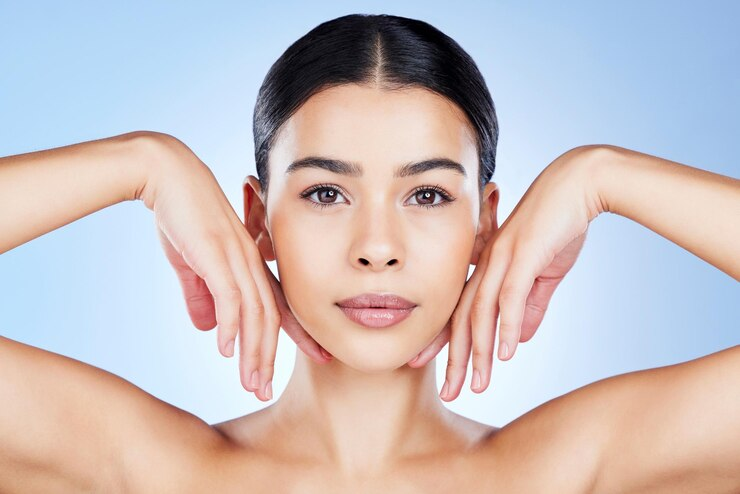
Choosing between FaceTite and laser skin resurfacing ultimately depends on whether you need to address deep tissue laxity or superficial skin imperfections. FaceTite provides exceptional structural lifting and contouring for the lower face and neck, making it a stellar alternative to surgery. Meanwhile, laser resurfacing works wonders for smoothing texture, evening out skin tone, and restoring a vibrant complexion. Consulting with a qualified professional allows you to design a tailored treatment plan that might even combine these powerful modalities for comprehensive rejuvenation. By understanding how each technology operates, you can confidently select the path that aligns with your personal aesthetic goals and lifestyle.
About the Author