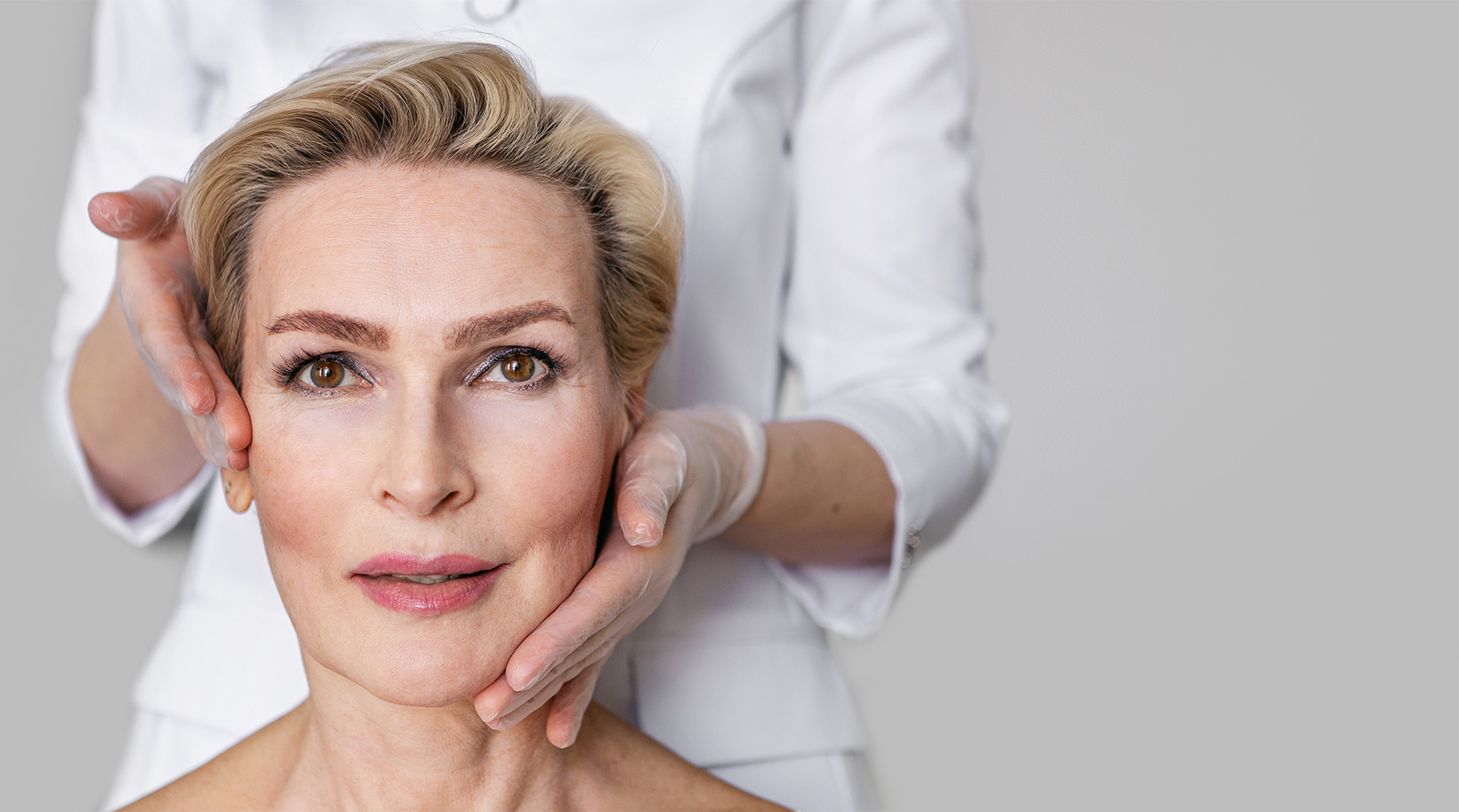
Many people notice changes in their skin texture and elasticity as the years pass. Often, the first signs of ageing appear between the eyebrows as stubborn vertical creases. When these creases become more pronounced, booking a professional facial lines consultation is the most effective first step towards addressing them. These assessments help individuals understand why their skin is changing and what specific treatments will work best for their unique anatomy. Instead of guessing which over-the-counter creams might work, speaking with a qualified clinician provides clarity. This article explains how a professional assessment helps target frown lines safely, ensuring you achieve a refreshed, natural appearance that aligns with your personal aesthetic goals.
Understanding the Anatomy of Frown Lines
To address ageing concerns effectively, you must first understand what causes them. The vertical creases that appear between your eyebrows, often referred to as glabella lines, develop primarily due to repetitive muscular movements. Every time you squint, concentrate, or frown, the corrugator supercilii and procerus muscles contract, pulling the skin inward. In your youth, skin bounces back quickly because of abundant collagen and elastin reserves. However, as natural ageing slows down collagen production, these temporary dynamic creases gradually turn into permanent static frown lines that remain visible even when your face is completely at rest.
External environmental factors also accelerate this process. Sun exposure, pollution, and smoking degrade the structural integrity of the skin, making it more susceptible to deep creasing. During a professional assessment, a clinician will examine your skin quality, muscle strength, and the depth of these creases. By analysing how your facial muscles interact, they can pinpoint the exact cause of your creases. This scientific approach ensures that any subsequent treatment targets the root cause of the issue rather than just masking the surface symptoms. Understanding this anatomy helps you make informed decisions about your skincare journey, moving away from generic solutions that yield minimal results.
What to Expect During a Professional Assessment
Entering a clinic for the first time can feel overwhelming if you do not know what to expect. A comprehensive facial lines consultation is designed to be a collaborative, informative discussion rather than a high-pressure sales pitch. Your clinician will begin by reviewing your medical history, current skincare routine, and overall lifestyle habits. This background information is crucial because factors like sleep patterns, hydration, and daily sun protection directly influence skin health and treatment outcomes.
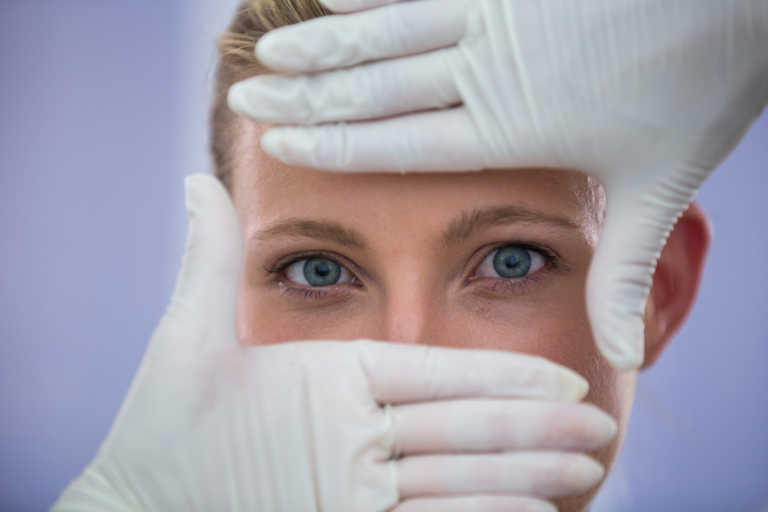
Next, the practitioner will perform a detailed physical assessment of your face. They will ask you to make various expressions—such as frowning, smiling, and raising your eyebrows—to observe how your muscles move and where the skin creases. This process, often called facial mapping, allows the clinician to assess the strength and symmetry of your facial muscles. They will also evaluate your skin elasticity and thickness. By the end of this assessment, you will receive a clear explanation of your facial structure and a list of suitable treatment options tailored to your specific needs. This transparent process demystifies cosmetic treatments and ensures you feel comfortable and confident before proceeding with any procedure. It also provides an open forum where you can ask questions about recovery times, potential side effects, and expected budgets.
Customised Treatment Pathways Beyond One-Size-Fits-All
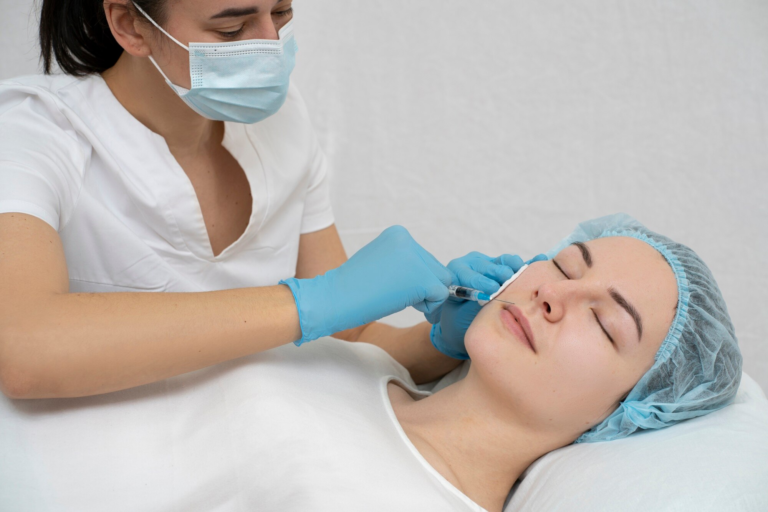
There is no single treatment that works perfectly for everyone, which is why individualised assessment is so valuable. For instance, when treating deep frown lines, clinicians often recommend a combination of different modalities to achieve the best outcome. The most common approach involves muscle-relaxing micro-injections, which temporarily reduce the activity of the muscles responsible for creasing. By relaxing these muscles, the overlying skin has a chance to smooth out and recover from constant folding.
However, if the creases are deeply etched into the skin even at rest, muscle relaxants alone might not be sufficient. In these cases, a practitioner might suggest combining injections with dermal fillers to plump up the skin from beneath, or dermal therapies like skin needling and laser resurfacing to boost natural collagen production. A structured plan helps coordinate these treatments in the correct sequence. For example, relaxing the muscles first often extends the lifespan of dermal fillers placed in the same area. This multi-layered strategy ensures that your skin looks naturally rejuvenated, avoiding the stiff or artificial appearance that often results from poorly planned, generic treatments. Your clinician will outline a timeline that fits your schedule and budget.
Maximising Safety and Natural-Looking Results
Safety should always be your top priority when considering any cosmetic procedure. Undergoing a thorough facial lines consultation ensures that your treatment is administered by a qualified, registered medical professional who understands facial anatomy in detail. The face is a complex network of blood vessels, nerves, and muscles; injecting any substance requires precise anatomical knowledge to avoid complications such as asymmetry, bruising, or more serious vascular issues.
During your initial meeting, a reputable practitioner will discuss the potential risks and side effects associated with each treatment option. They will also provide detailed pre-treatment and post-treatment care instructions to minimise these risks. For example, they might advise you to avoid blood-thinning supplements or intense exercise immediately after your appointment to reduce bruising. Choosing a clinic that prioritises these educational consultations guarantees that you are in safe hands. It also ensures that the results look subtle and balanced, enhancing your natural features rather than dramatically altering your appearance. This focus on safety and education gives you peace of mind, knowing that your aesthetic journey is guided by professional expertise and ethical standards. Ultimately, a cautious and tailored approach leads to the most satisfying long-term outcomes.
Conclusion
Addressing signs of ageing does not require guesswork or relying on ineffective cosmetic products. Booking a professional assessment is the most reliable way to understand your skin and find effective solutions. By analysing your unique facial anatomy and muscle movements, a qualified practitioner can design a customised treatment plan that targets your concerns safely and precisely. Whether you choose preventative treatments or corrective procedures, a tailored approach ensures natural-looking, balanced results that enhance your confidence. Prioritising safety, education, and professional guidance allows you to make informed decisions about your skincare journey, helping you maintain a refreshed and youthful appearance for years to come.
About the Author